Mary Pickford
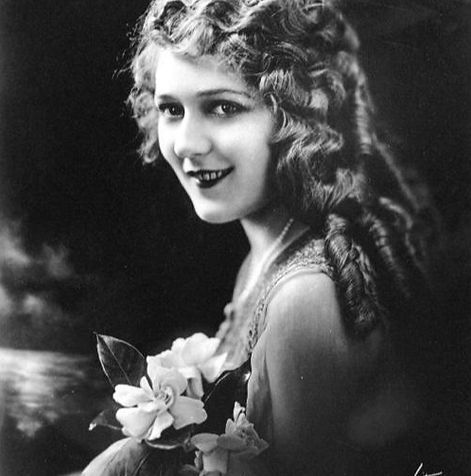
Mary Pickford
"The best known woman who has ever lived, the woman who was known to more people and loved by more people than any other woman that has been in all history."
Adele Rogers St. Johns
Birth name:
Gladys Louise Smith
Born:
8th April 1892, Toronto, Ontario, Canada
Died:
29th May 1979, Santa Monica, California, USA
Years active:
1909 - 1949
Although she was Canadian, people remember Mary Pickford as “America’s Sweetheart”. One of cinema’s first superstars and a shrewd businesswoman, in the early years of the nascent star system she attained a status matched only by Charlie Chaplin and her future husband, Douglas Fairbanks.
She was born Gladys Louise Smith in Toronto, Ontario, on 8th April 1892, to John and Charlotte Smith. Her father was an alcoholic who had a series of menial jobs before dying of a cerebral haemorrhage in 1898 following a work accident. By then, Gladys had a sister, Charlotte, and a brother, Jack. Both would follow their older sister onto the screen, but with much less success.
Although Gladys was not a sickly child, she became seriously ill with diphtheria in 1896, and her grandmother asked a Roman Catholic priest to baptise her. He baptised the little girl Gladys Marie Smith.
To make ends meet following her husband’s death, Charlotte Pickford rented a room to the manager of the Cummings Stock Company of Toronto, who, in late 1899, suggested Gladys and Charlotte appear in plays to bring in a little extra money. ‘Baby Gladys Smith’ made her stage debut on 8th January 1900 at Toronto’s Princess Theatre. She was seven and played a female character credited as ‘Big Girl’ and a boy called Ned. She appeared in several plays with the Valentine Stock Company before concluding her Toronto stage career in Uncle Tom’s Cabin.
From November 1901, the entire Smith family began a gruelling five-year stint of travelling across the United States performing with second-rate touring stock companies. Work was scarce during the summer months as theatres didn’t yet have air conditioning. One summer, the family shared a room in Manhattan with fellow troupers Lillian and Dorothy Gish, who would later owe their start in movies to Pickford.
In 1907, Gladys finally secured a role on Broadway in William de Mille’s The Warrens of Virginia at the Belasco Theatre. Also among the cast was the playwright’s brother, a young actor named Cecil B. DeMille. It was around this time that she adopted the stage name Mary Pickford at the suggestion of theatrical impresario David Belasco. Her new name was a variation on her middle name, Marie, and her maternal grandfather’s name, John Pickford Hennessy. Her mother and siblings also assumed the surname. The Pickfords had the satisfaction of seeing Mary play in her hometown of Toronto in the touring version of Belasco’s play in January 1909, but soon the run ended and the Pickfords were again without work.
Things grew so difficult that Charlotte prodded her reluctant daughter towards the flickers, which were still considered disreputable in 1909. She found work at the Biograph Studios, working under the pioneering director D. W. Griffith. He was so taken with the young actress that he agreed to pay her $10 per day instead of the customary $5.
After just four months, Pickford was already catching the eye of critics. A reviewer for the New York Dramatic Mirror, writing about Griffith’s short, They Would Elope, noted, “this delicious little comedy introduced again an ingénue whose work in Biograph pictures is attracting attention.” With the departure of “The Biograph Girl,” Florence Lawrence, to Carl Laemmle’s Independent Moving Picture Company (IMP), Pickford, her name still unknown to her growing legion of fans, became the new Biograph Girl. The studio advertised her as “The Girl with the Golden Curls.”
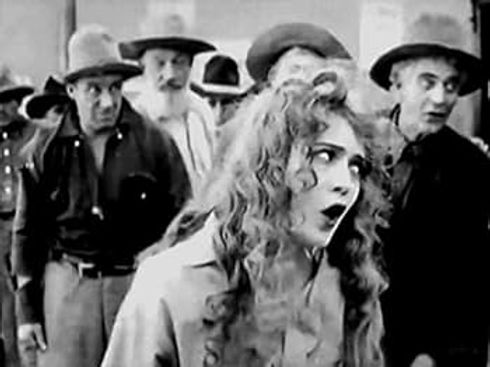
Mary Pickford in James Kirkwood's Rags (1915)
In December 1910, IMP lured Pickford and fellow star Owen Moore, who would soon become her husband, away from Biograph but, dissatisfied with the quality of their output, she defected to Majestic and then Selig before once again working with Griffith at her old studio. During this second spell, she introduced the director to her friends Lillian and Dorothy Gish, whom he immediately hired.
She also worked with David Belasco again, returning to the stage in 1913 to star in A Good Little Devil at his Republic Theatre. She reprised the role for Adolph Zukor when he filmed the play. In the 14 months it took him to release the picture, she signed for his Famous Players company and cemented her popularity in the dawning era of feature-length pictures with the enormously popular Hearts Adrift (1914). Her next release, Tess of the Storm Country (1914), was even more successful and made her the most popular actress in America. Tough negotiations with Zukor saw her wage doubled to $1,000 per week. The following year, it doubled once again to $2,000.
Her career might have been thriving, but by late 1915 her marriage to Owen Moore was in its death throes. Moore was a heavy drinker, which led him to being abusive towards his wife as her career (and earnings) eclipsed his. Pickford’s encounter with rising star Douglas Fairbanks at a party held by Elsie Janis in November that year might have hastened its demise, although it would be December 1916 before their affair began. By then, Pickford was earning $10,000 a week and a half-share in her film’s profits and could choose her own projects, writers and directors. One favourite writer was Frances Marion, with whom Pickford enjoyed a close lifelong friendship. Marion wrote another popular scenario for Pickford, The Poor Little Rich Girl (1917), in which the twenty-five-year-old actress played a twelve-year-old.
With America’s entry into WW1, Pickford, Fairbanks, Marie Dressler, and Charlie Chaplin toured the country promoting Liberty Bonds. Together, they drew immense crowds and sold over $18 billion in bonds. Pickford and Zukor parted company in August 1918. The following year she founded United Artists with Fairbanks, Chaplin, and D. W. Griffith. Production was slow because the company’s sole source of revenue was prepayment instalments from theatre owners; in its first five years, United Artists distributed only five films a year on average.
Pickford obtained a divorce from Owen Moore on 2nd March 1920, on grounds of desertion. Less than four weeks later, on 28th March, she and Fairbanks wed in a small ceremony at the home of Reverend J. Whitcomb Brougher in Glendale, California. After honeymooning in Europe, where they were besieged by fans, the newlyweds moved into a converted hunting lodge in Beverly Hills that would become known as Pickfair. Soon the popular press was describing the couple as the King and Queen of Hollywood.
Her career continued to thrive throughout the 1920s, as did that of Fairbanks, but their popularity placed a strain on their marriage. As the silent era drew to a close, both their careers floundered. By then Pickford was in her late thirties and could no longer portray the feisty youngsters on which she had built her success. She won a Best Actress Academy Award for her first talking picture, Coquette (1929), but The Taming of the Shrew (1929), her sole screen appearance with Fairbanks, performed poorly at the box office. Pickford made her last screen appearance opposite Leslie Howard in the romantic drama Secrets (1933) but continued as a producer until 1949. The film flopped, and two months after its release, Hollywood columnist Louella Parsons broke the news that Pickford and Fairbanks were separating.
The couple divorced in January 1936. Two months later, Fairbanks married British socialite Lady Sylvia Ashley, and the following year, Pickford married the actor Charles ‘Buddy’ Rogers, whom she first met while they were both working on My Best Girl in 1927. The couple adopted a son, Ronald Charles Pickford Rogers, in 1943 and a daughter, Roxanne Pickford Rogers, in 1944.
The thirties were a terrible time for Pickford. Her acting career had ended; years of alcoholism caught up with her brother Jack, who died in Paris in 1933, and sister Lottie, also an alcoholic, died of a heart attack in 1936. Their mother, Charlotte, had already passed away in 1928. In 1939, Fairbanks also succumbed to a heart attack at 56. Given her family’s propensity for alcoholism, it is perhaps no surprise that Pickford also became an alcoholic. Over time, she became a recluse, only allowing visits to Pickfair, once the hub of Beverly Hills society, from Lillian Gish, Douglas Fairbanks Jr., and a few select others. By the mid-Sixties, she would often only receive visitors by telephone. In 1976, she received an honorary Academy Award; too frail to attend the ceremony, she recorded a statement of thanks from Pickfair.
Mary Pickford died from a stroke in a Santa Monica hospital on 29th May 1979. She was 87 years old.
Sources: Mary Pickford, America's Sweetheart, Scott Eyman; Pickford, the Woman Who Made Hollywood, Eileen Whitfield; Sunshine and Shadow, Mary Pickford
Mary Pickford Filmography:
Two Memories (short) (1909) (a), His Duty (short) (1909) (a), The Violin Maker of Cremona (short) (1909) (a), The Lonely Villa (short) (1909) (a), The Son's Return (short) (1909) (a), Faded Lilies (short) (1909) (a), Her First Biscuits (short) (1909) (a), The Peach-Basket Hat (short) (1909) (a), The Way of Man (short) (1909) (a), The Necklace (short) (1909) (a), The Country Doctor (short) (1909) (a), The Cardinal's Conspiracy (short) (1909) (a), Tender Hearts (short) (1909) (a), The Renunciation (short) (1909) (a), Sweet and Twenty (short) (1909) (a), The Slave (short) (1909) (a), They Would Elope (short) (1909) (a), His Wife's Visitor (short) (1909) (a), The Indian Runner's Romance (short) (1909) (a), Oh, Uncle! (short) (1909) (a), The Seventh Day (short) (1909) (a), The Little Darling (short) (1909) (a), The Sealed Room (short) (1909) (a), The Hessian Renegades (short) (1909) (a), Getting Even (short) (1909) (a, w), The Broken Locket (short) (1909) (a), In Old Kentucky (short) (1909) (a), The Awakening (short) (1909) (a, w), The Little Teacher (short) (1909) (a), His Lost Love (short) (1909) (a), In the Watches of the Night (short) (1909) (a), Lines of White on a Sullen Sea (short) (1909) (a), The Gibson Goddess (short) (1909) (a), What's Your Hurry? (short) (1909) (a), The Restoration (short) (1909) (a), The Light That Came (short) (1909) (a), A Midnight Adventure (short) (1909) (a), The Mountaineer's Honor (short) (1909) (a), The Trick That Failed (short) (1909) (a), Through the Breakers (short) (1909) (a), The Test (short) (1909) (a), To Save Her Soul (short) (1909) (a), The Day After (short) (1909) (a, w), The Heart of an Outlaw (short) (1909) (a), All on Account of the Milk (short) (1909) (a), The Woman from Mellon's (short) (1910) (a), The Englishman and the Girl (short) (1910) (a), The Newlyweds (short) (1910) (a), The Thread of Destiny (short) (1910) (a), The Twisted Trail (short) (1910) (a), The Smoker (short) (1910) (a), As It Is In Life (short) (1910) (a), A Rich Revenge (short) (1910) (a), A Romance of the Western Hills (short) (1910) (a), The Unchanging Sea (short) (1910) (a), Love Among the Roses (short) (1910) (a), The Two Brothers (short) (1910) (a), Ramona (short) (1910) (a), In the Season of Buds (short) (1910) (a), A Victim of Jealousy (short) (1910) (a), Never Again (short) (1910) (a), May and December (short) (1910) (a, w), A Child's Impulse (short) (1910) (a), Muggsy's First Sweetheart (short) (1910) (a), What the Daisy Said (short) (1910) (a), The Call to Arms (short) (1910) (a), An Arcadian Maid (short) (1910) (a), When We Were In Our Teens (short) (1910) (a), The Sorrows of the Unfaithful (short) (1910) (a), Wilful Peggy (short) (1910) (a), Muggsy Becomes a Hero (short) (1910) (a), A Gold Necklace (short) (1910) (a), The Lucky Toothache (short) (1910) (a), Waiter No. 5 (short) (1910) (a), Simple Charity (short) (1910) (a), The Song of the Wildwood Flute (short) (1910) (a), A Plain Song (short) (1910) (a), White Roses (short) (1910) (a), When A Man Loves (short) (1911) (a), The Italian Barber (short) (1911) (a), Three Sisters (short) (1911) (a), A Decree of Destiny (short) (1911) (a), Madame Rex (short) (1911) (a, w), The Medallion (short) (1911) (w), Caught in the Act (short) (1911) (w), Their First Misunderstanding (short) (1911) (a, w), The Dream (short) (1911) (a, w), Maid or Man (short) (1911) (a), The Mirror (short) (1911) (a), When The Cat's Away (short) (1911) (a), Her Darkest Hour (short) (1911) (a), The Convert (short) (1911) (a), Artful Kate (short) (1911) (a), A Manly Man (short) (1911) (a), Tracked (short) (1911) (a), The Message in the Bottle (short) (1911) (a), The Secret of the Palm (short) (1911) (a), The Fisher-Maid (short) (1911) (a), In Old Madrid (short) (1911) (a), Sweet Memories (short) (1911) (a), The Stampede (short) (1911) (a), While There Is Hope, There Is Life (short) (1911) (a). Second Sight (short) (1911) (a), The Fair Dentist (short) (1911) (a), For Her Brother's Sake (short) (1911) (a), The Master and the Man (short) (1911) (a), The Lighthouse Keeper (short) (1911) (a), Back to the Soil (short) (1911) (a), In the Sultan's Garden (short) (1911) (a), For the Queen's Honor (short) (1911) (a), A Gasoline Engagement (short) (1911) (a), At a Quarter of Two (short) (1911) (a), Science (short) (1911) (a), The Skating Bug (short) (1911) (a), The Call of the Song (short) (1911) (a), As a Boy Dreams (short) (1911) (a), The Toss of a Coin (short) (1911) (a), 'Tween Two Loves (short) (1911) (a), The Rose's Story (short) (1911) (a), The Sentinel Asleep [fr] (short) (1911) (a), The Better Way (short) (1911) (a), His Dress Shirt (short) (1911) (a), The Portrait (short) (1911) (a), How Mary Fixed It (short) (1911) (a), The Courting of Mary (short) (1911) (a), Love Heeds Not the Showers (short) (1911) (a), Little Red Riding Hood (short) (1911) (a), The Caddy's Dream (short) (1911) (a), Honor Thy Father (short) (1912) (a), The Mender of Nets (short) (1912) (a), A Timely Repentance (short) (1912) (a), Lola's Promise (short) (1912) (a), Fate's Interception (short) (1912) (a), The Female of the Species (short) (1912) (a), Just Like a Woman (short) (1912) (a), Won By a Fish (short) (1912) (a), The Old Actor (short) (1912) (a), A Lodging for the Night (short) (1912) (a), A Beast at Bay (short) (1912) (a), Home Folks (short) (1912) (a), Lena and the Geese (short) (1912) (a, w), The School Teacher and the Waif (short) (1912) (a), An Indian Summer (short) (1912) (a), The Narrow Road (short) (1912) (a), The Inner Circle (short) (1912) (a), With the Enemy's Help (short) (1912) (a), A Pueblo Legend (short) (1912) (a), Friends (short) (1912) (a), So Near, yet So Far (short) (1912) (a), A Feud in the Kentucky Hills (short) (1912) (a), The One She Loved (short) (1912) (a), My Baby (short) (1912) (a), The Informer (short) (1912) (a), The New York Hat (short) (1912) (a), The Unwelcome Guest (short) (1912) (a), In the Bishop's Carriage (1913) (a), Caprice (short) (1913) (a), Hearts Adrift (short) (1914) (a), A Good Little Devil (1914) (a), Tess of the Storm Country (1914) (a), The Eagle's Mate (1914) (a), Behind the Scenes (1914) (a), Such a Little Queen (1914) (a), Cinderella (1914) (a), Mistress Nell (1915) (a), Fanchon the Cricket (1915) (a), The Dawn of a Tomorrow (1915) (a), Little Pal (1915) (a), Rags (1915) (a), Esmeralda (short) (1915) (a), A Girl of Yesterday (1915) (a, w), Madame Butterfly (1915) (a), The Foundling (1916) (a), Poor Little Peppina (1916) (a), The Eternal Grind (1916) (a), Hulda from Holland (1916) (a), Less Than the Dust (1916) (a, p), The Pride of the Clan (1917) (a, p), The Poor Little Rich Girl (1917) (a, p), A Romance of the Redwoods (1917) (a, p), The Little American (1917) (a, p), Rebecca of Sunnybrook Farm (1917) (a, p), All-Star Production of Patriotic Episodes for the Second Liberty Loan (short) (1917) (a), A Little Princess (1917) (a, p), Stella Maris (1918) (a, p), Amarilly of Clothes-Line Alley (1918) (a, p), M'Liss (1918) (a, p), How Could You, Jean? (1918) (a, p), Johanna Enlists (1918) (a, p), 100% American (short) (1918) (a), United States Fourth Liberty Loan Drive (short) (1918) (a), Canadian Victory Loan Drive (short) (1918) (a), Captain Kidd, Jr. (1919) (a, p), Daddy-Long-Legs (1919) (a, p), The Hoodlum (1919) (a, p), Heart o' the Hills (1919) (a, p), Pollyanna (1920) (a, p), Suds (1920) (a, p), The Love Light (1921) (a, p), Through the Back Door (1921) (a, p), They Shall Pay (1921) (p), Little Lord Fauntleroy (1921) (a, p), Tess of the Storm Country (1922) (a, p), Garrison's Finish (1923) (w), Hollywood (1923) (p), Rosita (1923) (a, p), The Hill Billy (1924) (p), Dorothy Vernon of Haddon Hall (1924) (a, p), Waking Up the Town (1925) (p), Little Annie Rooney (1925) (a, p, w), The Black Pirate (1926) (a), Sparrows (1926) (a, p), A Kiss from Mary Pickford ("Поцелуй Мэри Пикфорд") (1927) (a), The Gaucho (1927) (a), My Best Girl (1927) (a, p), Coquette (1929) (a, p), The Taming of the Shrew (1929) (a, p), Kiki (1931) (a), Secrets (1933) (a, p), One Rainy Afternoon (1936) (p), The Gay Desperado (1936) (p), Little Iodine (1946) (p), Susie Steps Out (1946) (p), The Adventures of Don Coyote (1947) (p), Stork Bites Man (1947) (p), Sleep, My Love (1948) (p), White Cradle Inn (1948) (p), Love Happy (1949) (p).